What Actually Affects Cholesterol, Beyond Any Single Supplement
Diet composition, physical activity, weight, genetics and smoking status all shape cholesterol levels more directly than most supplements can.
Understanding that fuller picture helps set realistic expectations for what nutritional support can and cannot do.
Dietary fat composition matters most
The type of fat in your diet — saturated versus unsaturated, and the presence of trans fats — has a larger, more consistently documented effect on cholesterol levels than any single supplement ingredient.
Fiber intake
Soluble fiber specifically is associated with meaningful reductions in LDL cholesterol in research, often a larger effect than botanical supplements demonstrate.
Physical activity
Regular aerobic exercise is associated with improvements in HDL cholesterol and triglycerides, a well-documented and substantial effect.
Weight and body composition
Even modest weight loss is associated with measurable improvements in cholesterol panels in research.
Genetics and family history
For some people, cholesterol levels are strongly influenced by genetics regardless of diet and lifestyle — a factor no supplement can address.
Where nutritional support realistically fits
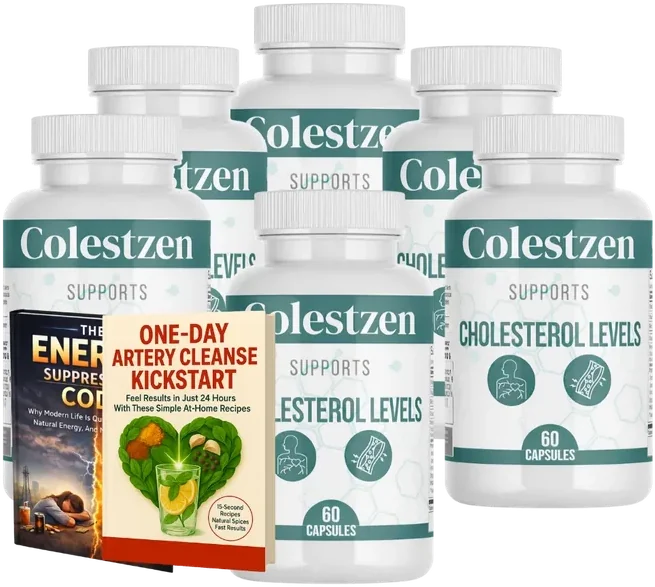
Applying this to ColestZen
Formulas like ColestZen are designed to supply nutrients relevant to glucose metabolism and circulation, genuinely useful additions layered on top of the habits above, not a shortcut around them.